Country guide ·
Northern Lights in Norway: Where, When & How to Plan a 2026 Aurora Trip
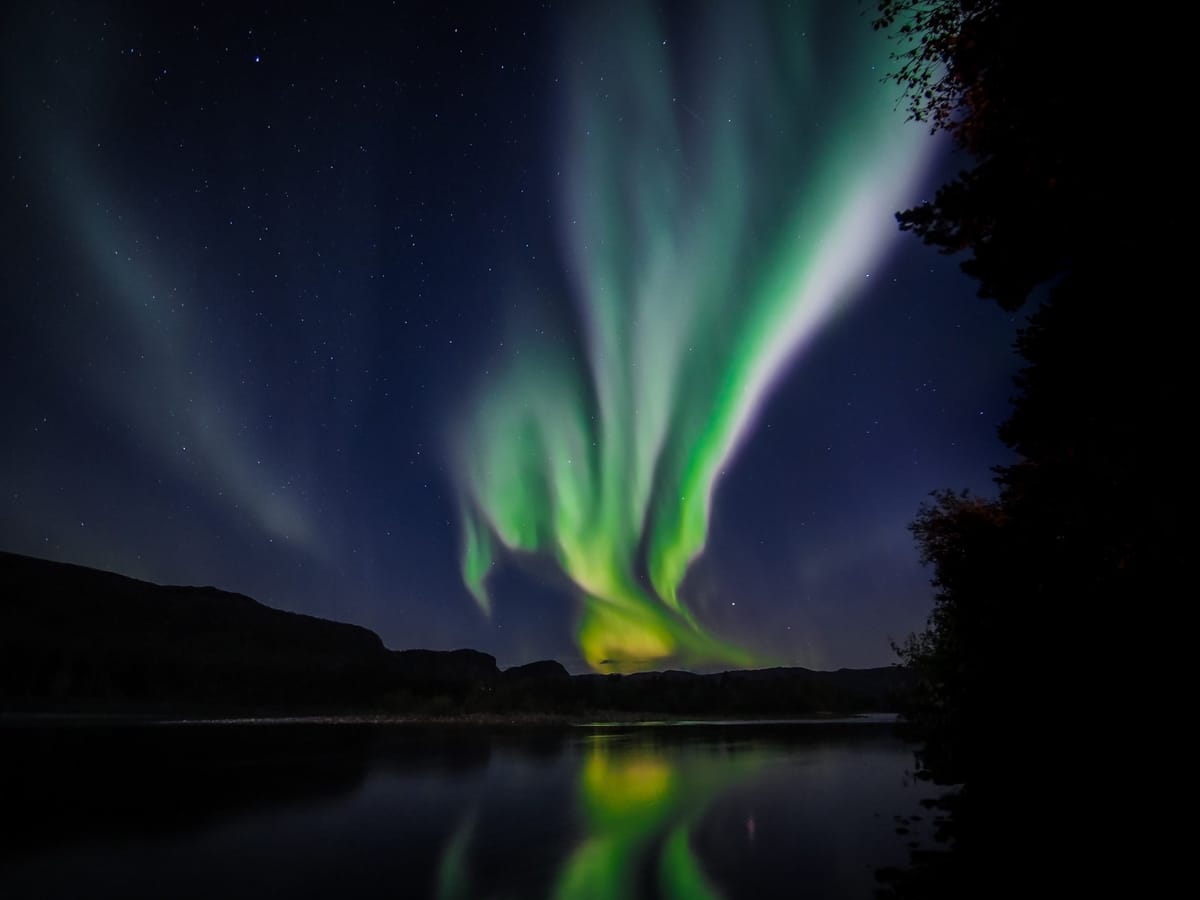
Norway is the most-trafficked aurora destination on Earth, anchored by Tromsø — a small Arctic city with daily flights from Oslo, London, and Helsinki and roughly 80 competing aurora-tour operators. Northern Norway's appeal is the geographic combination: Lofoten's granite peaks and Senja's fjord cabins for photogenic foregrounds, the inland Finnmark plateau (Alta, Karasjok, Kirkenes) for clear-sky reliability when the coast clouds over, and Svalbard at 78°N for the planet's only inhabited polar-night aurora. Aurora season runs late September through early April with December and February peak windows.
Quick answer
- Norway sits directly under the auroral oval at 68–71°N — aurora is potentially visible from anywhere in Northern Norway every dark night during the September–April season.
- Best base for first-timers: Tromsø, Norway (69.6°N). 80+ aurora-tour operators run nightly chase trips when the coast clouds over.
- Best for photography: the Lofoten Islands. Granite peaks rising from the Arctic Ocean give the most dramatic aurora foregrounds on Earth.
- Best for clear-sky odds: inland Finnmark plateau — Alta, Karasjok, Kirkenes — where dry continental air gives 30–40% more clear winter nights than the coast.
- Aurora season: late September through early April. Peak months: late November through mid-March.
- Where to stay for aurora-from-bed: Lyngen North, Sorrisniva Igloo Hotel, Kirkenes Snowhotel — Norway's three flagship glass-roof / glass-wall properties.
When to go
The aurora season in Norway runs from late September through early April. Peak viewing months are late November through mid-March, when nights are at their darkest and weather is most stable inland. Norwegians distinguish two aurora climates: the coast (Tromsø, Lofoten, Senja, Lyngen) gets more clouds but more spectacular foregrounds; the inland Finnmark plateau (Alta, Karasjok, Kirkenes) gets more clear-sky nights but flatter terrain. The single best day-of decision a Norway aurora traveler makes is whether to go inland — most Tromsø-based tour operators run inland chase trips that cross into Finland or Sweden when the coastal forecast is poor. Plan a minimum 4-night stay; with 3 actual aurora-attempt nights you have a ~90% chance of seeing aurora at least once.
Where in Norway
Tromsø is the air gateway and the deepest tour-operator market in the world (80+ aurora operators). The Lofoten Islands and Senja are the photogenic-foreground choices — granite peaks, fishing villages, white-sand Arctic beaches. Alta is the original 'Aurora Borealis Capital' (the world's first dedicated aurora observatory opened there in 1899) and offers the inland clear-sky upgrade. Kirkenes, on the Russian border, is the easternmost option and pairs aurora with king-crab safaris on the Barents Sea. Svalbard at 78°N offers the only inhabited polar-night aurora — visible at noon during December and January, but technically north of the auroral oval, so aurora often forms toward the southern horizon. North Cape (Nordkapp) is the European mainland's northernmost drive-to viewpoint.
All Norway aurora locations
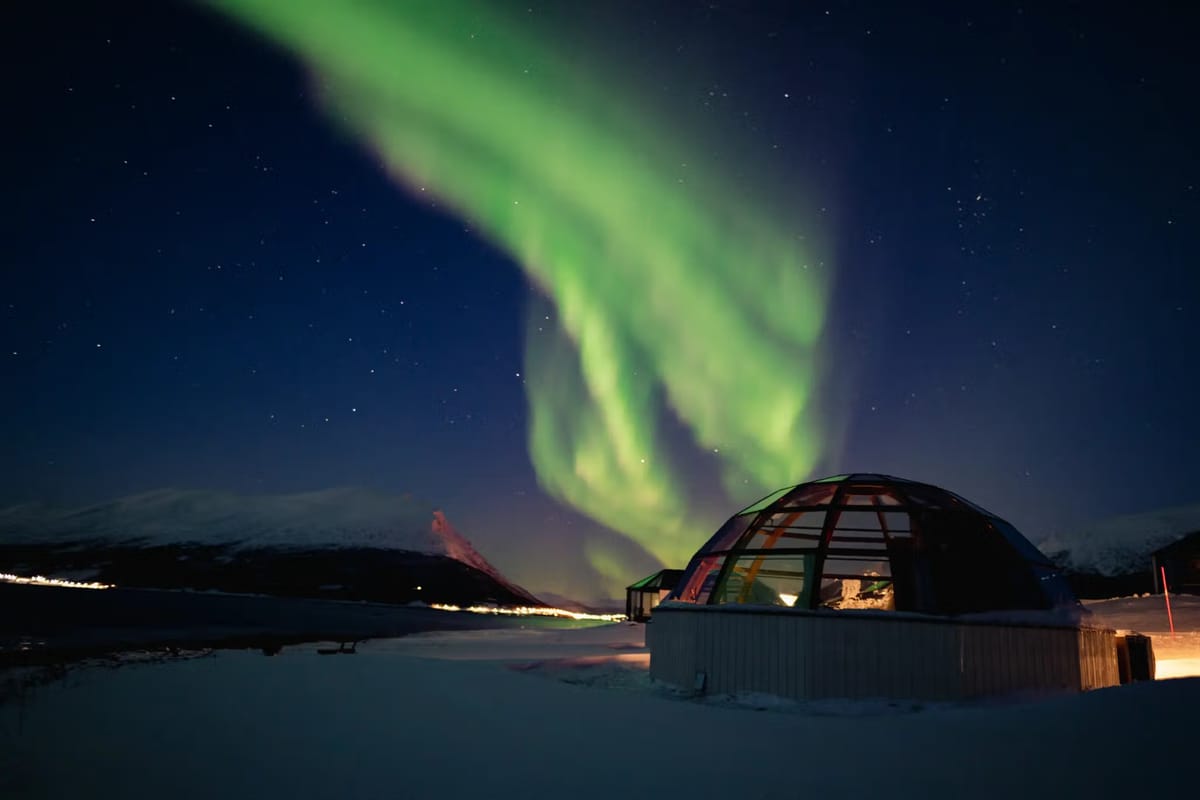 ★ 4.7
★ 4.7Lyngen North
Lyngseidet · Troms
Glass-roof aurora domes on Lyngen fjord with private bath and aurora-alarm wake-up.
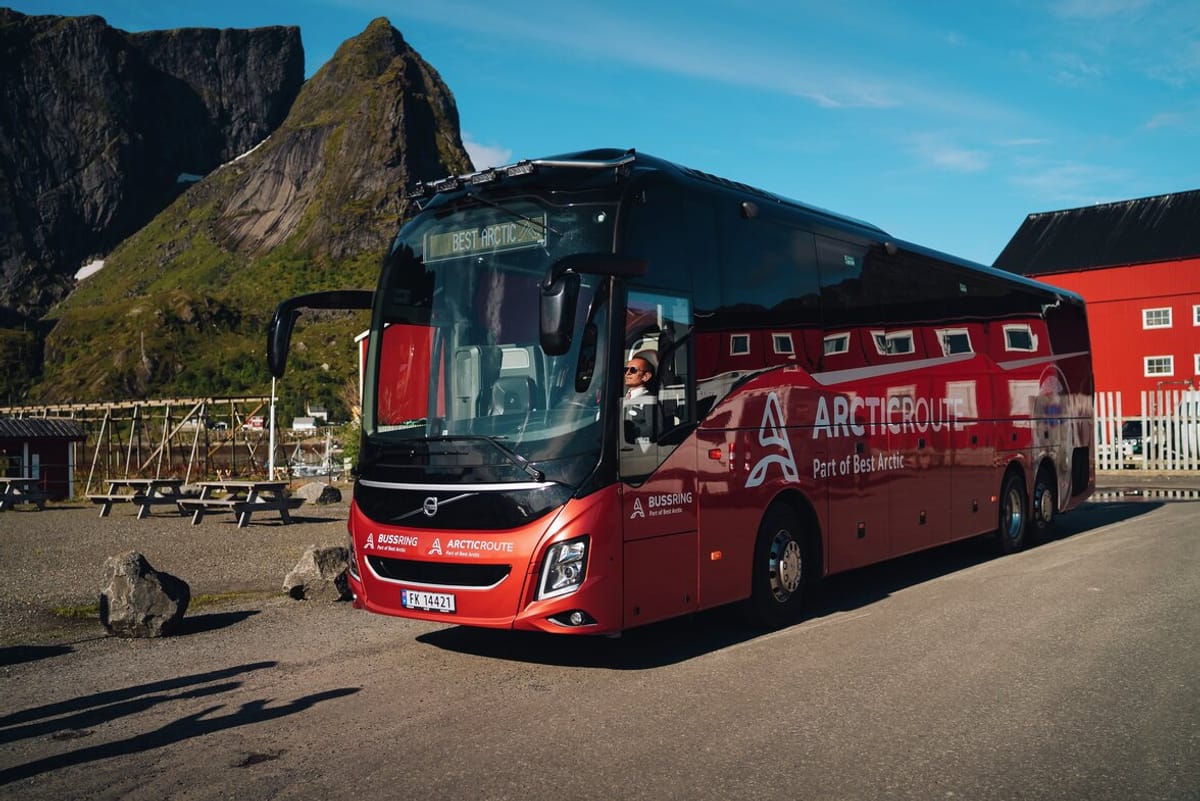 ★ 4.7
★ 4.7Lofoten Islands
Reine / Henningsvær · Nordland
Granite peaks meet open Atlantic — the most photogenic aurora coastline in Norway.
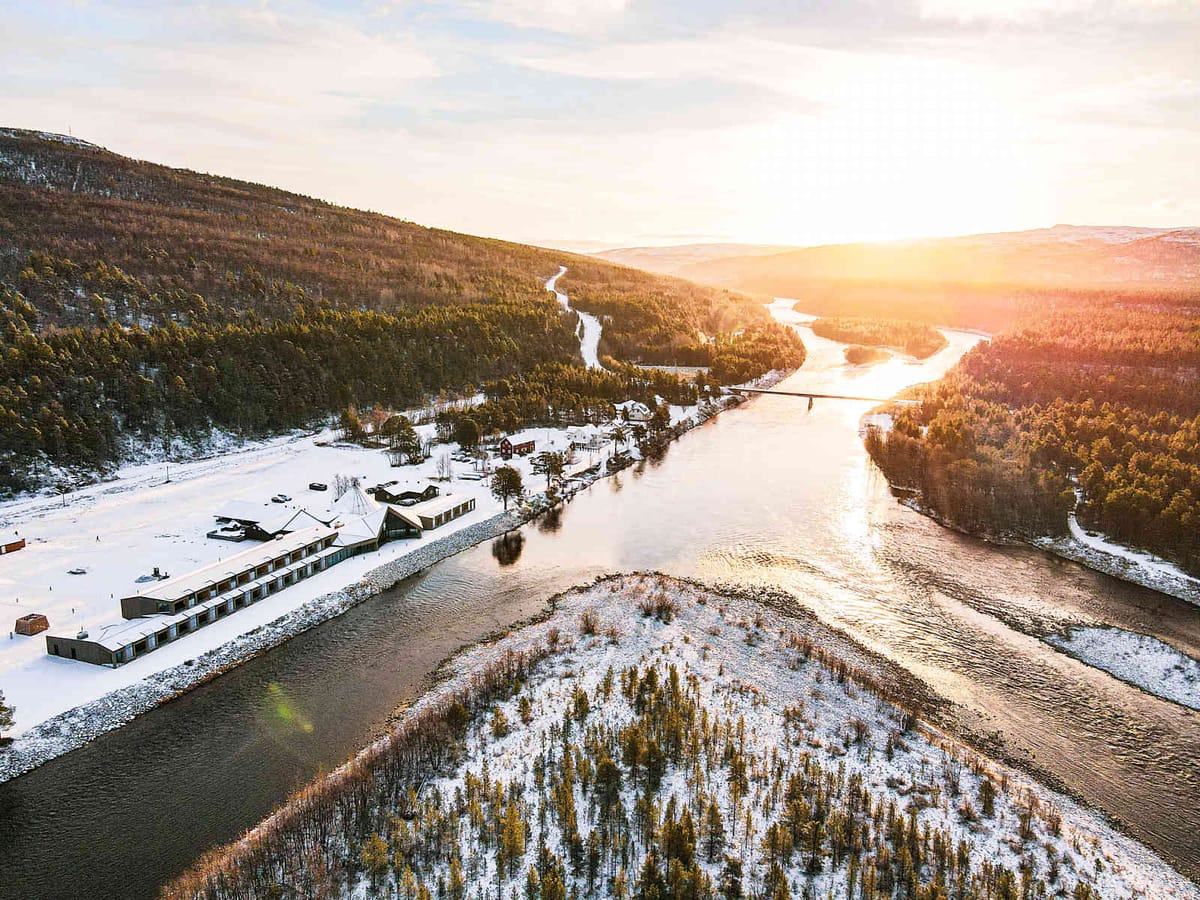 ★ 4.6
★ 4.6Sorrisniva Igloo Hotel
Alta · Finnmark
Riverside igloos and lodge suites combine Alta fine dining with nightly aurora hunts.
 ★ 4.6
★ 4.6Engholm Husky Design Lodge
Karasjok · Finnmark
Hand-built design cabins at a working dog-sled kennel on the dark Finnmark plateau.
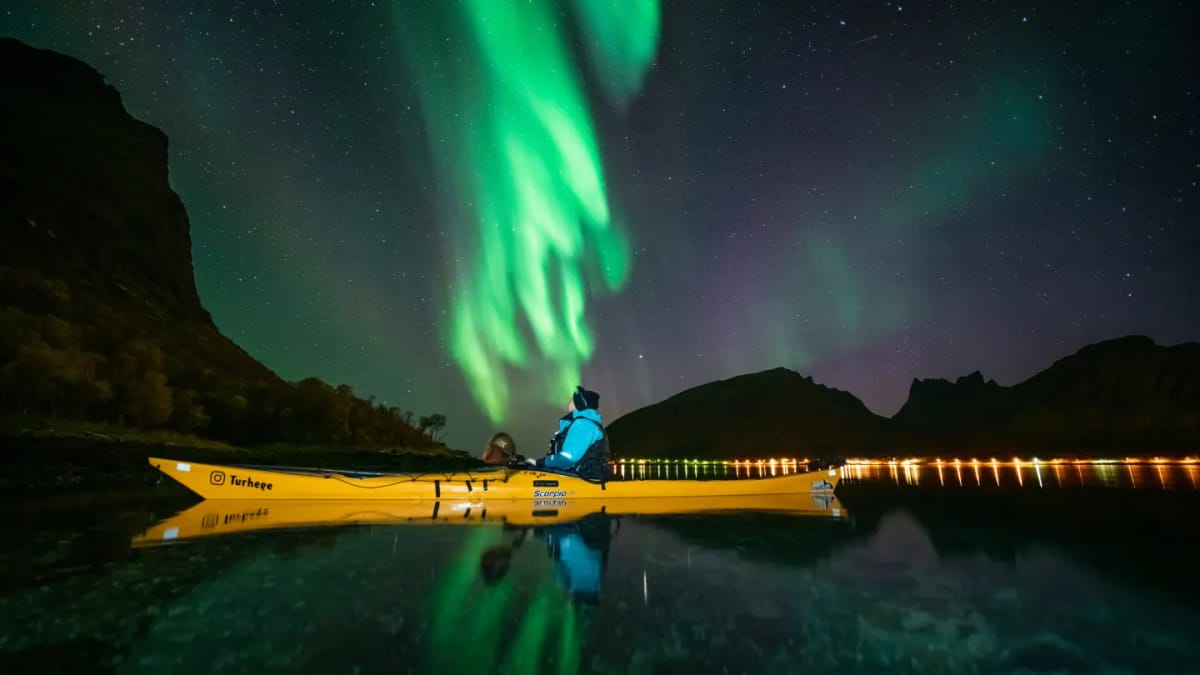 ★ 4.5
★ 4.5Senja Island
Hamn / Mefjordvær · Troms
Lofoten scenery without the crowds — dark fjords, dramatic peaks, aurora from the porch.
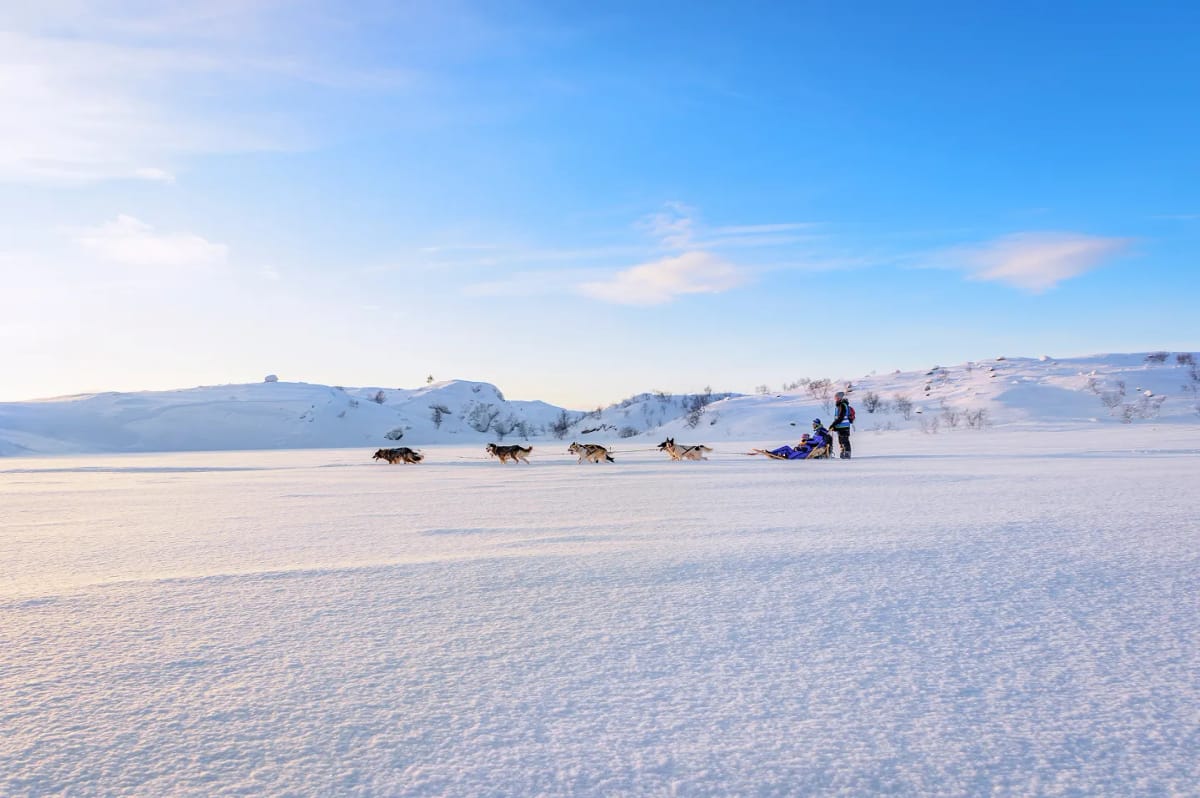 ★ 4.5
★ 4.5Kirkenes Snowhotel
Kirkenes · Finnmark
Snow hotel + glass-roof gamme cabins on a frozen lake near the Russian border.
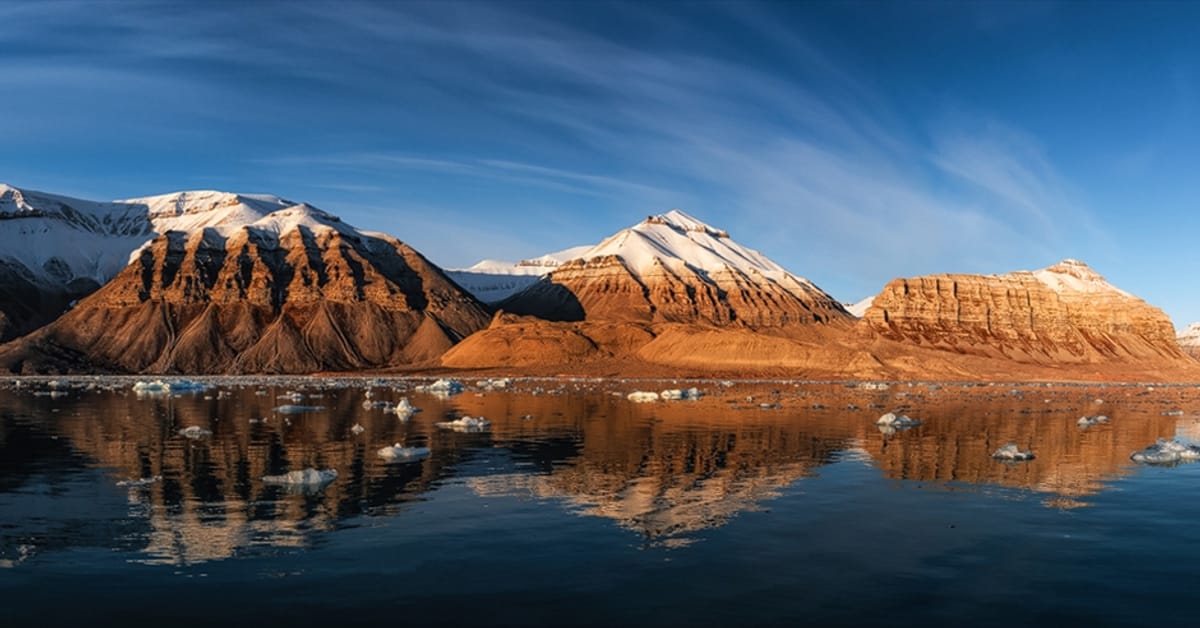 ★ 4.5
★ 4.5Svalbard — Longyearbyen
Longyearbyen · Svalbard
78°N polar night: aurora visible at noon during the dark season, only on Earth this far north.
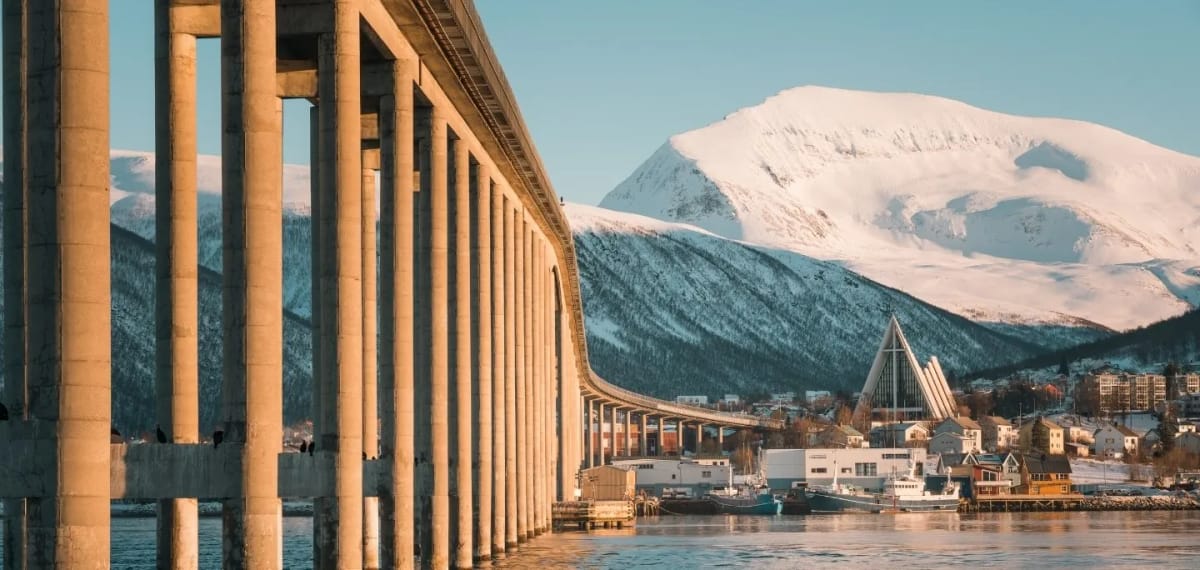 ★ 4.4
★ 4.4Tromsø — Aurora Tour Base
Tromsø · Troms
The aurora-tour capital of the world: 80+ operators chasing clear sky from a real Arctic city.
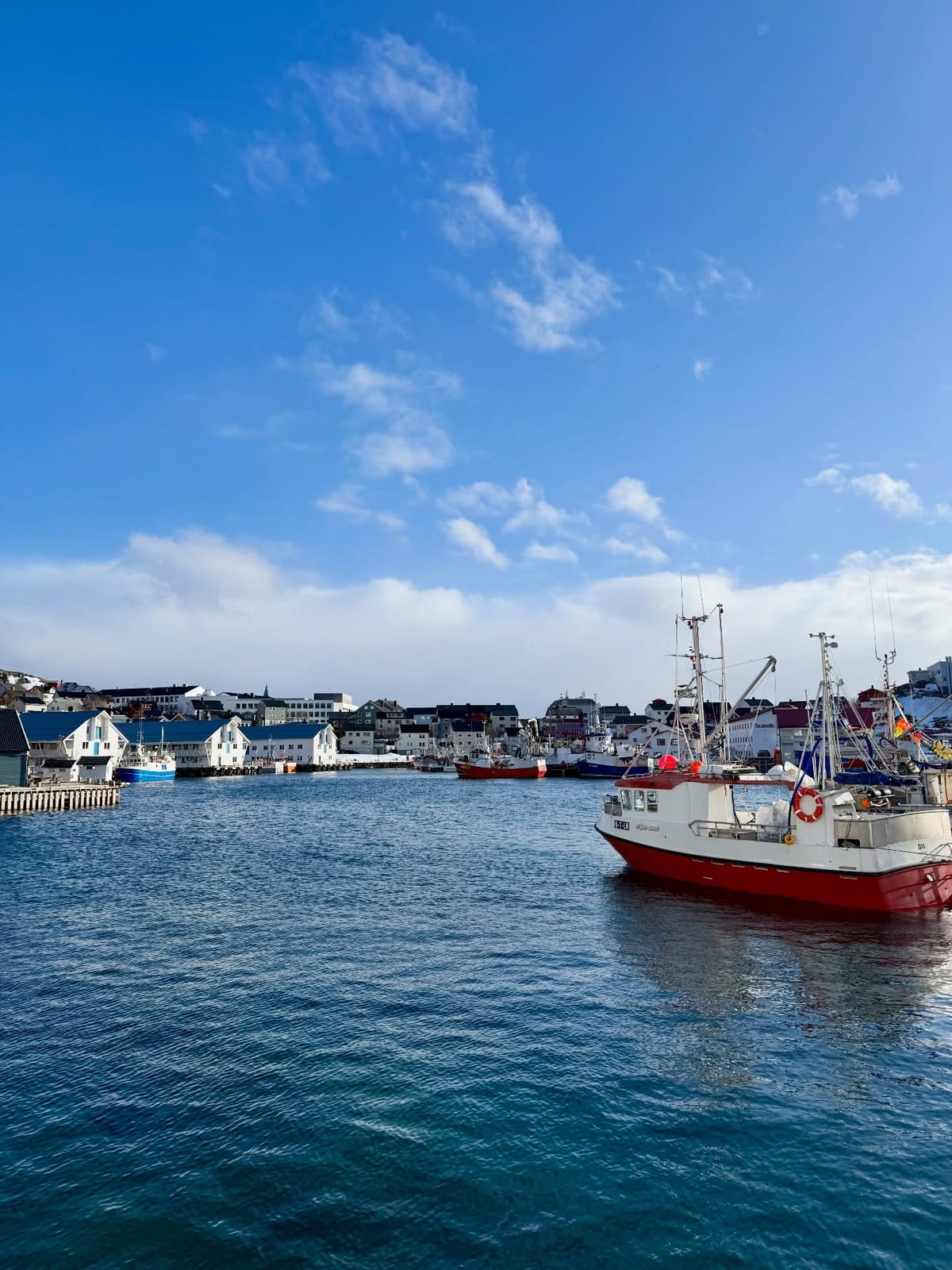 ★ 4.4
★ 4.4North Cape (Nordkapp)
Honningsvåg · Finnmark
Mainland Europe's northernmost cliff — 71°N tundra with 360° aurora horizons.
 ★ 4.4
★ 4.4Alta — Aurora Borealis Capital
Alta · Finnmark
Norway's official 'Northern Lights City' — inland weather, real airport, deep history.
Frequently asked questions
Where is the best place to see the northern lights in Norway?
Tromsø (69.6°N) is the best base for first-time travelers — direct flights from Oslo, London, and Helsinki, 80+ tour operators, and the deepest aurora infrastructure in Norway. The Lofoten Islands and Senja are the best for photography (dramatic peaks rising directly from the Arctic Ocean). Alta and the inland Finnmark plateau are the best for statistical clear-sky odds — dry continental air gives 30–40% more clear winter nights than coastal Tromsø. Svalbard at 78°N is the rare option for polar-night aurora visible at midday.
When is the best time to see the northern lights in Norway?
Late November through mid-March is peak. The aurora is active in the auroral oval from September through April, but the dark-night window expands as you go later in the year, and weather stabilizes inland from December onward. December and January are the longest-darkness months but also the cloudiest on the coast. February and March are the favorite months of repeat aurora travelers — long enough darkness, more stable weather, and the start of cross-country ski conditions in the same trip.
Can you see the northern lights in Norway every night?
Aurora is potentially visible above 68°N every dark night during the September–April season. What determines whether you actually see it is cloud cover. Tour operators in Tromsø report ~50–60% successful viewing rates for any single night; the inland Finnmark plateau runs higher (~70%). With a 4-night stay and chase tours, your trip-level odds rise above 90%. Norway is the most-trafficked aurora destination on Earth precisely because the trip-level odds are this strong.
How far north do I need to go in Norway to see the northern lights?
The auroral oval crosses Norway between Trondheim (63°N) and the North Cape (71°N), but in practice you want to be above Bodø (67°N) to put the aurora overhead rather than on the northern horizon. Tromsø (69.6°N), Alta (69.9°N), Lofoten (68°N), and Kirkenes (69.7°N) all sit directly under the oval. Below Bodø, aurora becomes a horizon-only phenomenon — visible during strong storms but not the overhead curtain experience.
Is it better to visit Norway, Iceland, or Finland for the northern lights?
Norway has the deepest tour-operator market and the most photogenic terrain. Iceland is the easiest from North America (5-hour flight from JFK/EWR) but sits at 64°N — on the southern edge of the oval — so cloud cover hurts more. Finland has materially clearer winter skies and the densest cluster of glass-igloo resorts in the world. Choose Norway for active chase-tour photography, Iceland for self-drive flexibility, and Finland for the watch-from-bed glass-igloo experience.